



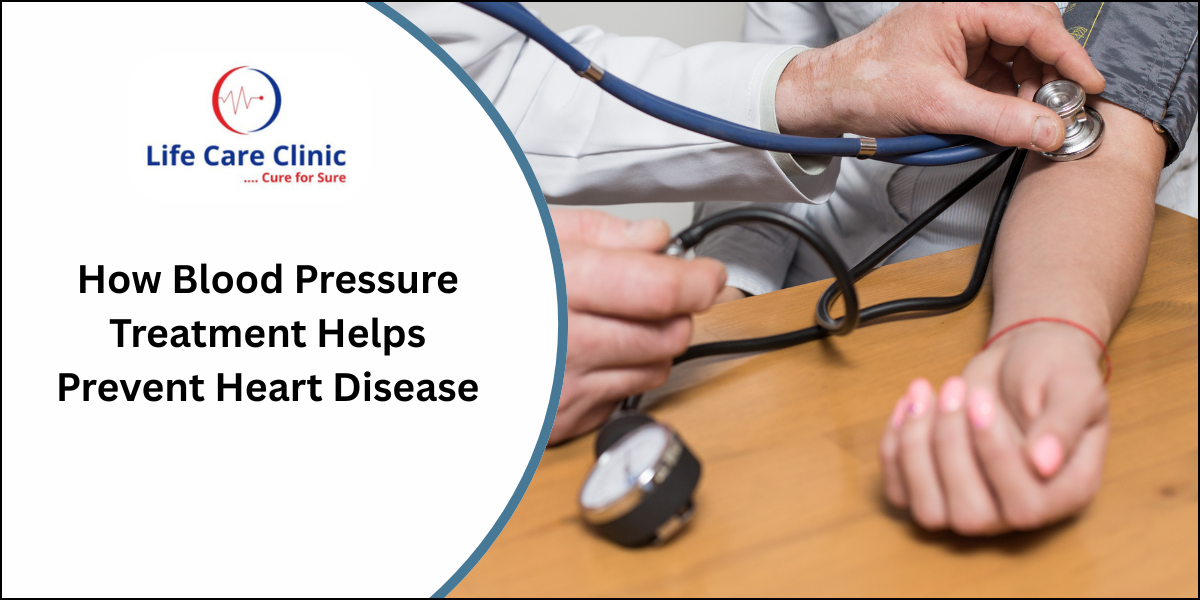
High blood pressure, also known as hypertension, is one of the leading causes of heart disease worldwide. Often called the “silent killer,” hypertension usually develops without noticeable symptoms, yet it can quietly damage your heart, blood vessels, brain, and kidneys over time.
The good news is that effective blood pressure treatment can significantly reduce the risk of heart attacks, strokes, heart failure, and other cardiovascular complications. Early diagnosis, lifestyle changes, and proper medical care can protect your heart and improve your overall quality of life.
Understanding Blood Pressure
Blood pressure measures the force of blood pushing against the walls of your arteries. It is recorded using two numbers:
- Systolic Pressure: Pressure when the heart beats.
- Diastolic Pressure: Pressure when the heart rests between beats.
A normal blood pressure reading is generally around 120/80 mmHg. Persistent readings above 140/90 mmHg usually indicate hypertension and require medical evaluation.
Why High Blood Pressure is Dangerous
Many people feel perfectly healthy despite having high blood pressure. Unfortunately, uncontrolled hypertension continuously strains your cardiovascular system.
Over time, high blood pressure can:
- Damage artery walls
- Narrow blood vessels
- Reduce blood flow to vital organs
- Increase the heart’s workload
- Cause permanent heart muscle damage
Without treatment, hypertension greatly increases the likelihood of developing life-threatening cardiovascular diseases.
The Link Between High Blood Pressure and Heart Disease
Your heart pumps blood through thousands of blood vessels every minute. When blood pressure remains elevated, the heart must work much harder than normal.
This extra strain can lead to:
1. Coronary Artery Disease
High blood pressure damages artery walls, allowing cholesterol deposits to build up. These plaques narrow the arteries, reducing blood flow to the heart muscle.
This condition increases the risk of:
- Chest pain (Angina)
- Heart attacks
- Reduced heart function
2. Heart Failure
Over time, hypertension causes the heart muscle to thicken and become less efficient.
Eventually, the heart struggles to pump enough blood throughout the body, leading to heart failure symptoms such as:
- Shortness of breath
- Fatigue
- Swelling in the legs
- Difficulty exercising
3. Heart Attack
When narrowed arteries become completely blocked, blood supply to the heart stops, causing a heart attack.
Controlling blood pressure significantly lowers this risk.
4. Stroke
High blood pressure is one of the biggest risk factors for stroke. It can:
- Block blood flow to the brain
- Cause blood vessels to burst
Both situations require emergency medical treatment.
Effective Blood Pressure Treatment Options
Treatment plans vary depending on age, medical history, and the severity of hypertension.
Lifestyle Changes
Healthy lifestyle habits form the foundation of blood pressure management.
Recommended changes include:
- Eating a low-salt, heart-healthy diet
- Increasing fruits and vegetables
- Maintaining a healthy weight
- Exercising for at least 30 minutes most days
- Quitting smoking
- Limiting alcohol intake
- Managing stress through yoga or meditation
- Getting adequate sleep
Frequently Asked Questions (FAQs)
1. Can treating high blood pressure prevent heart disease?
Yes. Proper blood pressure treatment significantly lowers the risk of heart attacks, heart failure, stroke, and other cardiovascular diseases.
2. What is the ideal blood pressure level?
For most adults, a blood pressure reading below 120/80 mmHg is considered healthy. Your doctor may recommend individualized targets depending on your health conditions.
3. Can lifestyle changes alone control high blood pressure?
In mild cases, lifestyle modifications may be enough. However, many patients also require medication to achieve safe blood pressure levels.
Book Your Blood Pressure Consultation Today
Looking for expert hypertension care in Pune?
Dr. Meghana Pande is a trusted Blood Pressure Doctor in Hadapsar, Pune, offering personalized treatment plans to help patients manage hypertension and prevent heart disease.
Schedule your consultation today and take the first step toward a healthier heart and a healthier future.