



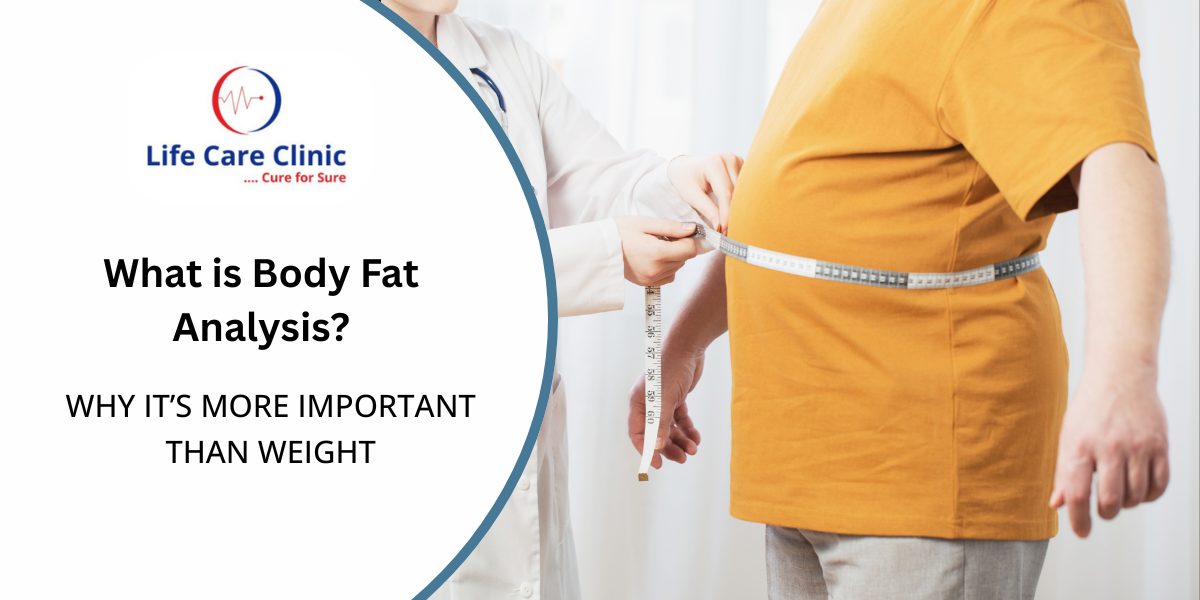
In today’s health-conscious world, the bathroom scale often dictates how we feel about our bodies. But what if that single number is misleading? Many people chasing weight loss discover the truth only after hitting a plateau: body fat analysis reveals far more about your health, fitness, and progress than total weight ever could.
Body fat analysis (also called body composition testing) measures the percentage of your total body weight that comes from fat versus lean mass — muscle, bone, organs, and water. Unlike scale weight or even BMI, it tells the real story of what your body is made of. This deeper insight is transforming how doctors, trainers, and everyday people approach fitness goals in 2026.
What is Body Fat Analysis?
Body fat analysis is the process of measuring the percentage of fat in your body compared to everything else, such as muscles, bones, and water. Instead of focusing on total weight, it looks at body composition—how your weight is distributed.
For example, two individuals may weigh the same, but one could have higher muscle mass while the other has a higher fat percentage. Despite identical weights, their health profiles can be completely different.
Body fat analysis typically measures:
- Body fat percentage
- Lean body mass (muscle, bones, organs)
- Visceral fat (fat around internal organs)
- Water content
This deeper breakdown helps identify whether your body is in a healthy state or at risk for various health issues.
Why Body Fat Percentage Is More Important Than Weight
Step on the scale and you see one number. But that number ignores critical differences:
- Muscle weighs more than fat but takes up less space.
- Water fluctuations, food intake, and even bone density skew daily weight.
- Two people of identical height and weight can look and feel completely different — one athletic and lean, the other “skinny fat.”
Recent studies confirm this. Research shows body fat percentage predicts long-term mortality risk better than BMI in adults aged 20–49. Normal-weight obesity (or “skinny fat”) — normal BMI but high body fat and low muscle — carries the same health risks as overt obesity.
Real-life examples prove it:
- A 180 lb bodybuilder with 10% body fat is healthy and strong.
- A 180 lb desk worker with 30% body fat may face metabolic issues despite “normal” weight.
Focusing only on weight can sabotage progress. You might lose muscle while dropping pounds (making you weaker and slower metabolically) or gain muscle while staying the same weight (looking and feeling better). Body fat analysis celebrates the right kind of change.
Common Methods of Body Fat Analysis
1. Bioelectrical Impedance Analysis (BIA)
This is one of the most common methods used in smart scales and fitness centers. It sends a small electrical current through the body to estimate fat and muscle levels.
2. Skinfold Calipers
This method measures the thickness of fat under the skin at different points of the body. While affordable, it requires proper technique for accuracy.
3. DEXA Scan
A highly accurate method that uses low-level X-rays to differentiate between fat, muscle, and bone. It is often used in medical settings.
4. Hydrostatic Weighing
This involves measuring body density by submerging a person in water. Though accurate, it’s less accessible.
5. 3D Body Scanning
A newer technology that creates a full-body model to analyze fat distribution and posture.
Shift Your Focus from Weight to Body Composition
For personalized guidance, including body fat analysis, diet counseling, diabetes management, and holistic health support, consider consulting a qualified professional. Dr. Meghana Pande, a General Physician and Critical Care Specialist with over 15 years of experience
Clinic: Life Care Clinic
Phone: +91 9322304006
Visit: https://drmeghanapande.com/
Frequently Asked Questions (FAQs)
1. Can I lose fat but the scale stays the same?
Absolutely. If you’re building muscle while losing fat (a common “recomposition” phase), your weight may stay steady or even increase — but you’ll look leaner and feel stronger.
2. Can I lose fat without losing weight?
Yes, this is possible. If you gain muscle while losing fat, your weight may stay the same, but your body composition will improve significantly.
3, What is the ideal body fat percentage for beginners?
For beginners, a healthy range is typically 14–24% for men and 21–31% for women. However, individual goals may vary depending on fitness level and health conditions.
4.How often should I measure body fat percentage?
Every 4–8 weeks is ideal for most people. More frequent home measurements (weekly) help spot trends, but use professional methods (DEXA/Bod Pod) for key checkpoints.